Changelog

Follow new updates and improvements to Labelcamp.

Projects association lands on album page

You can now associate a project directly from an album page — no need to navigate elsewhere to establish that link.

Along with this addition, tag association on album and contract pages has been refreshed with an updated interface.

Projects and tags now share the same unified component: same interaction, same behavior, same look — wherever you use them.

Expanded search capabilities

The Labelcamp search engine now supports two new retrieval criteria, available across all search-enabled modules — Global Search, Trends, Claims, and more.

UPC + ISRC targeting lets you combine both identifiers to pinpoint a specific track within a product, cutting through ambiguity when similar metadata is shared across multiple releases.

DSP Lookup lets you search by pasting a URL or platform-specific ID directly from Apple Music, Spotify, or other DSPs — jumping straight from a streaming platform to the matching asset in Labelcamp.

Improvements

  • WhatsApp is now available as a trend source in the Trends analytics dashboard.
NewImproved

Release date on tracks & new analytics date range option

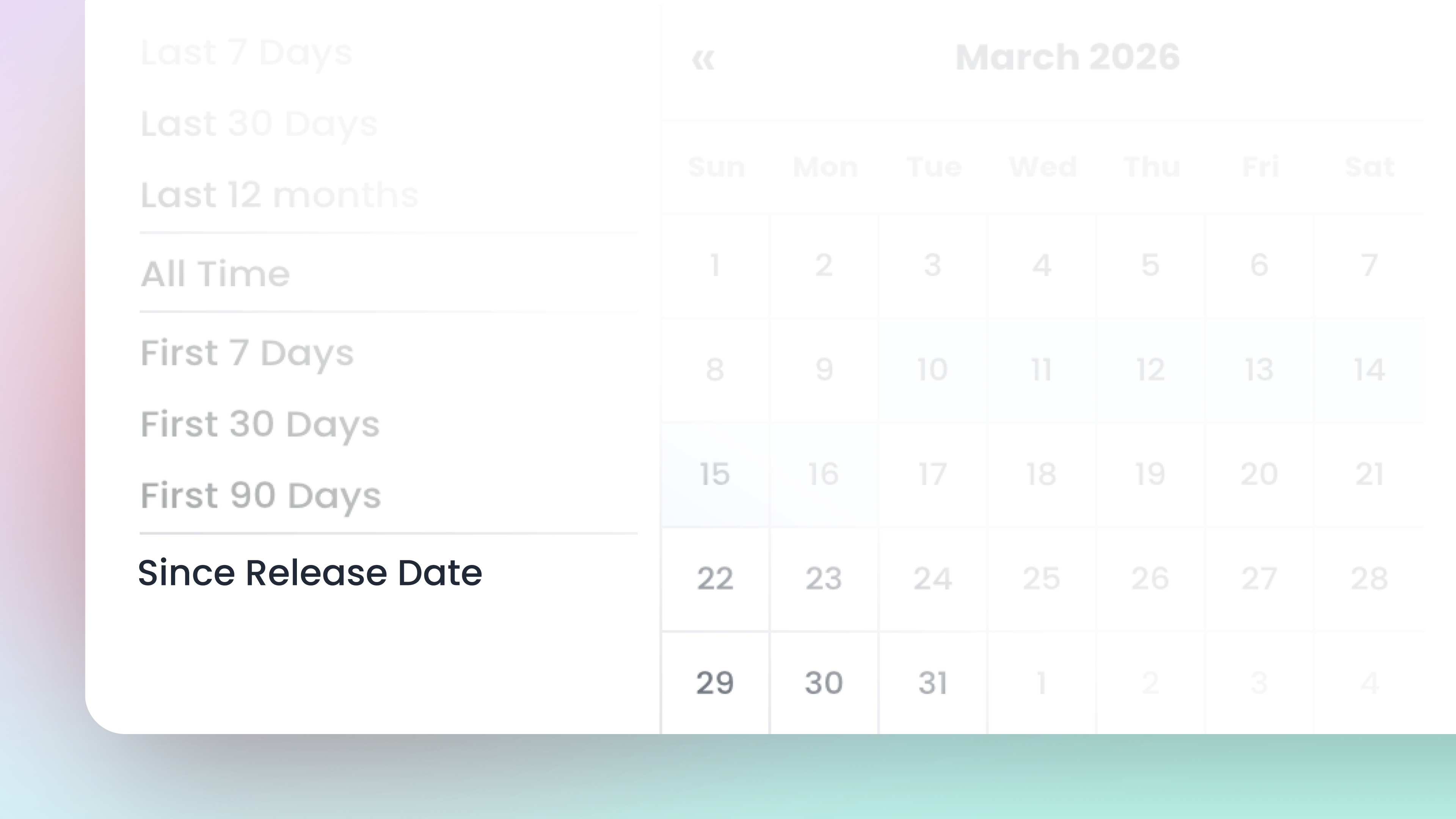
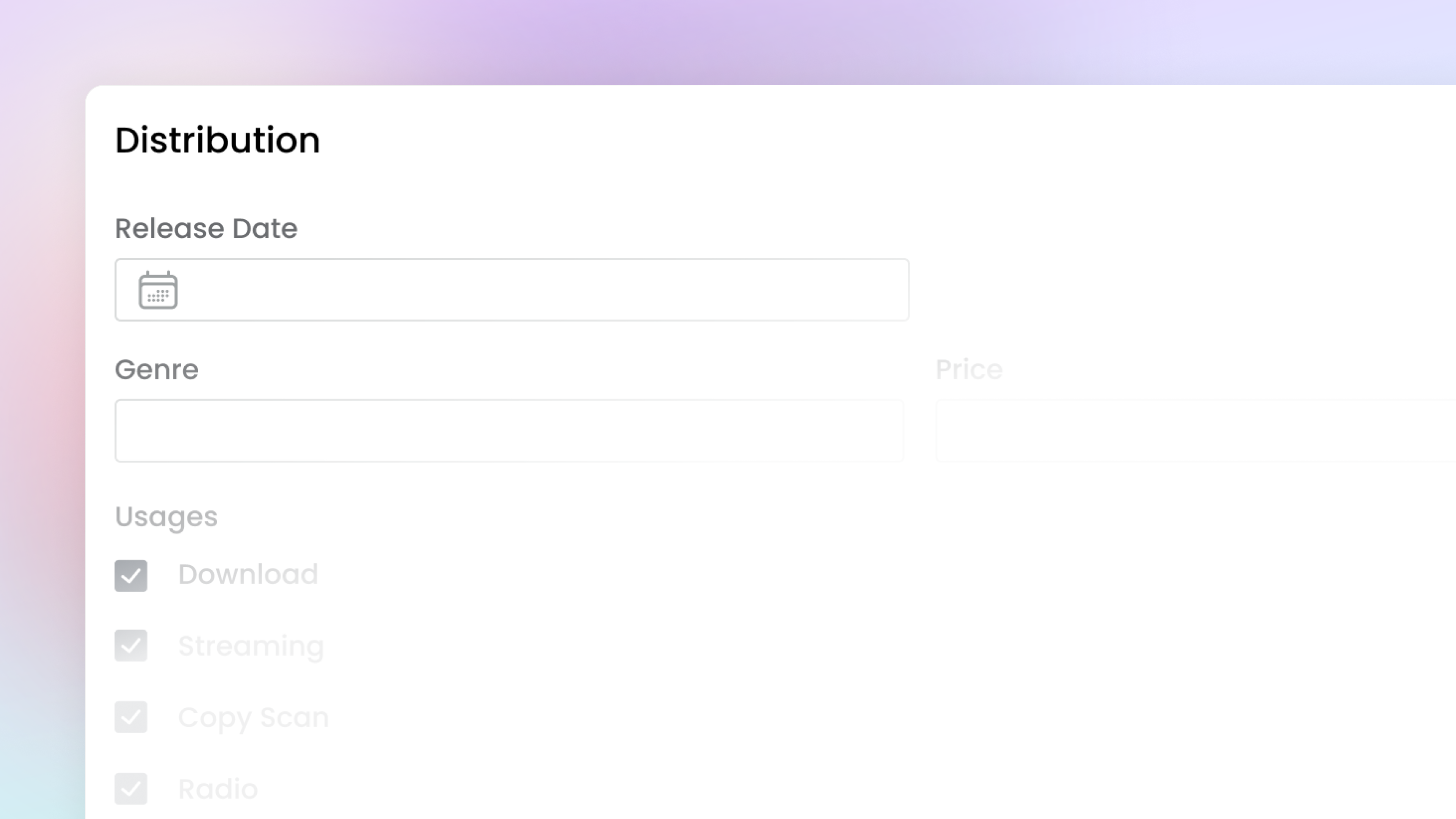
Track’s release date is now editable directly from the album editing funnel, and analytics gain a "Since release date" option on album and track views.

Release date on track

It's now possible to set a track's release date directly from the album editing funnel – perfect for setting up Instant Gratification Tracks. The field already existed but was previously inaccessible from this context, making it impossible to provide this information during the editing flow. This is particularly useful for label users, who can now fill in this detail without leaving their usual workflow. The field remains optional and should be only filled when needed.

Since release date

When viewing analytics scoped to a single album or track, the date range picker now includes a "Since release date" option. Instead of manually aligning a custom range to a release, you can filter performance data from the exact moment it went live — useful for measuring early traction or comparing post-release behavior across your catalog.

Improvements

  • Explicit content — Replaced checkboxes with radio buttons for explicit content settings, making the selection clearer and mutually exclusive.

  • Apple Motion Art — Motion Art assets now require both a mobile and a desktop version. Submitting only one will surface a validation error, preventing incomplete deliveries to Apple.

Fixes

  • ISRC conflict errors — Corrected how ISRC conflict error resolutions are displayed, resulting in clearer and more actionable messages.

ImprovedFixed